Pens Embroidery Design
A Quick First Impression
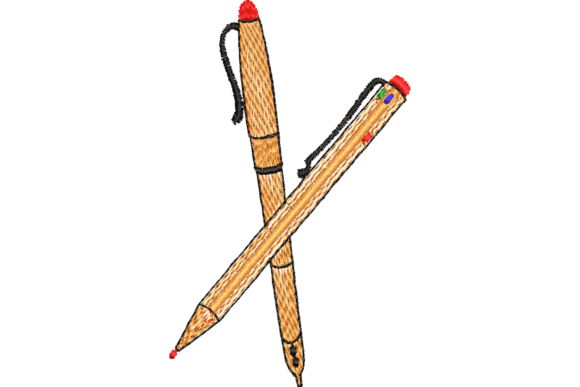
The first thing that catches my eye about Pens is its clean, modern aesthetic. It feels like a design that’s been thoughtfully crafted for both simplicity and versatility. The theme is straightforward—pens are the focus, and they’re rendered with a level of detail that suggests they’re meant to be more than just a decorative element. The layout is balanced, with each pen placed in a way that avoids overcrowding while still making a visual statement.
Where Does Pens Belong?
Pens has a natural fit in projects that require a touch of minimalism with a hint of personality. I imagine it working well on t-shirts, tote bags, or even baby clothes. Its simple yet stylish look would translate nicely into a custom apparel line or a small shop product. For instance, if I were preparing a batch of embroidered tote bags for a local craft fair, Pens could add a subtle but recognizable brand identity without overwhelming the fabric.
It also has potential for holiday embroidery, especially around back-to-school themes. A sweatshirt or apron with Pens could serve as a thoughtful personalized gift for teachers or students. The design’s adaptability makes it a good candidate for digital embroidery file use, allowing for easy customization across different products.
Real-World Testing Considerations
Before committing to a full project, I’d recommend testing Pens on scrap fabric. This helps assess how it performs in real stitching conditions. The stitch density appears reasonable, but I’d want to confirm that it doesn’t become too dense in areas where it might cause puckering or strain on the fabric.
One thing to watch for is how Pens looks on dark fabrics. While the design is vibrant, the contrast between the thread colors and the background can make a big difference in visibility. Testing in black and white mockups is a smart step before finalizing any project.
Practical Use Cases
Pens is well-suited for custom apparel, especially in the School category. A sweatshirt or cap with this design could be a great addition to a student uniform line or a teacher’s personal gear. It also works well for embroidered patches and handmade products like aprons or pillow covers.
However, there are some scenarios where Pens might not perform as well. For example, using it on thin or stretchy fabrics could lead to distortion. Similarly, applying it to curved surfaces like caps or hats might require extra care to ensure the design remains intact and aligned properly.
Design Quality and Visual Appeal
The overall quality of Pens is impressive. The running stitch and satin stitch elements are clearly defined, which contributes to its clean appearance. The design’s visual personality is understated but effective, making it suitable for both casual and more refined settings.
From a customer perspective, Pens offers a sense of professionalism and attention to detail. It can help elevate a handmade product, whether it’s a personalized gift or a commercial embroidery item. The design’s ability to stand out while maintaining a cohesive look makes it a strong contender for branding purposes.
Handmade Product Considerations
When working with handmade products, consistency is key. Pens should be tested across multiple samples to ensure uniformity in stitch placement and color rendering. This is especially important when creating items like tea towels or kitchen linens, where the design needs to remain clear and legible after repeated washing.
Using the right stabilizer is crucial for achieving smooth results. Depending on the fabric type, a water-soluble stabilizer or cutaway stabilizer may be necessary to prevent shifting during stitching. This step is often overlooked but can make a significant difference in the final product’s quality.
Design Notes for Embroidery Professionals
If you’re an Etsy seller or running a craft business, consider how Pens fits into your existing product lineup. It’s versatile enough to work across various categories, from custom apparel to holiday gifts. However, it’s important to check licensing details before selling finished items or digital files.
Always test the design on a variety of fabric textures to ensure compatibility. Some designs perform better on cotton or linen than on synthetic materials. Also, pay close attention to thread color contrast and hoop size to avoid issues with alignment or stitch density.
Finally, don’t forget to review the printable mockup and design assets provided. These can help you visualize how Pens will look in different applications, ensuring it meets your expectations before moving forward with production.